
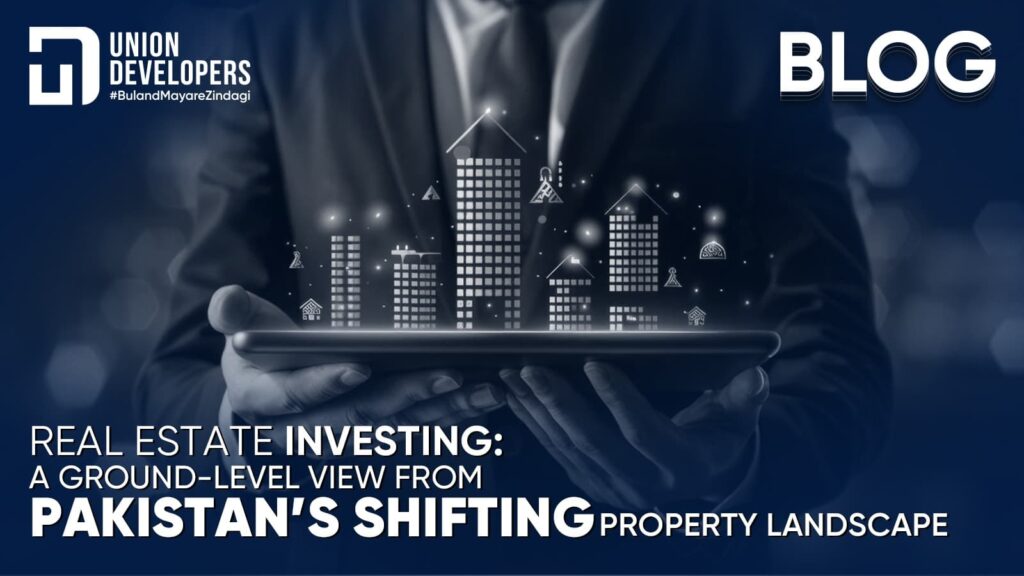
Property has a way of revealing character. It rewards patience, punishes shortcuts, and exposes who has done their homework and who has simply followed noise. Real estate investing is not about luck or timing alone. It is about judgment, discipline, and understanding how cities grow before they announce themselves.
In Pakistan, that understanding has never mattered more. The market is changing quietly but decisively. Investors who are paying attention can feel it in land prices, development patterns, and buyer behaviour. Those who do not usually realise it too late.
It is a practical and experience-backed view of real estate investing in Pakistan, shaped by what seasoned developers see on the ground every day.
Understanding Real Estate Investing Beyond the Basics
At its core, real estate investing is simple. You allocate capital into property assets with the expectation of long-term appreciation, rental income, or both. The complexity comes from execution.
Unlike stocks or digital assets, property does not move overnight. It responds to infrastructure, governance, population growth, and trust. In Pakistan, those factors do not move in straight lines. That is why informed decision-making matters more here than in most markets.
The smartest investors do not chase plots. They study corridors, follow prices and development momentum.
Why Real Estate Investing in Pakistan Still Makes Sense
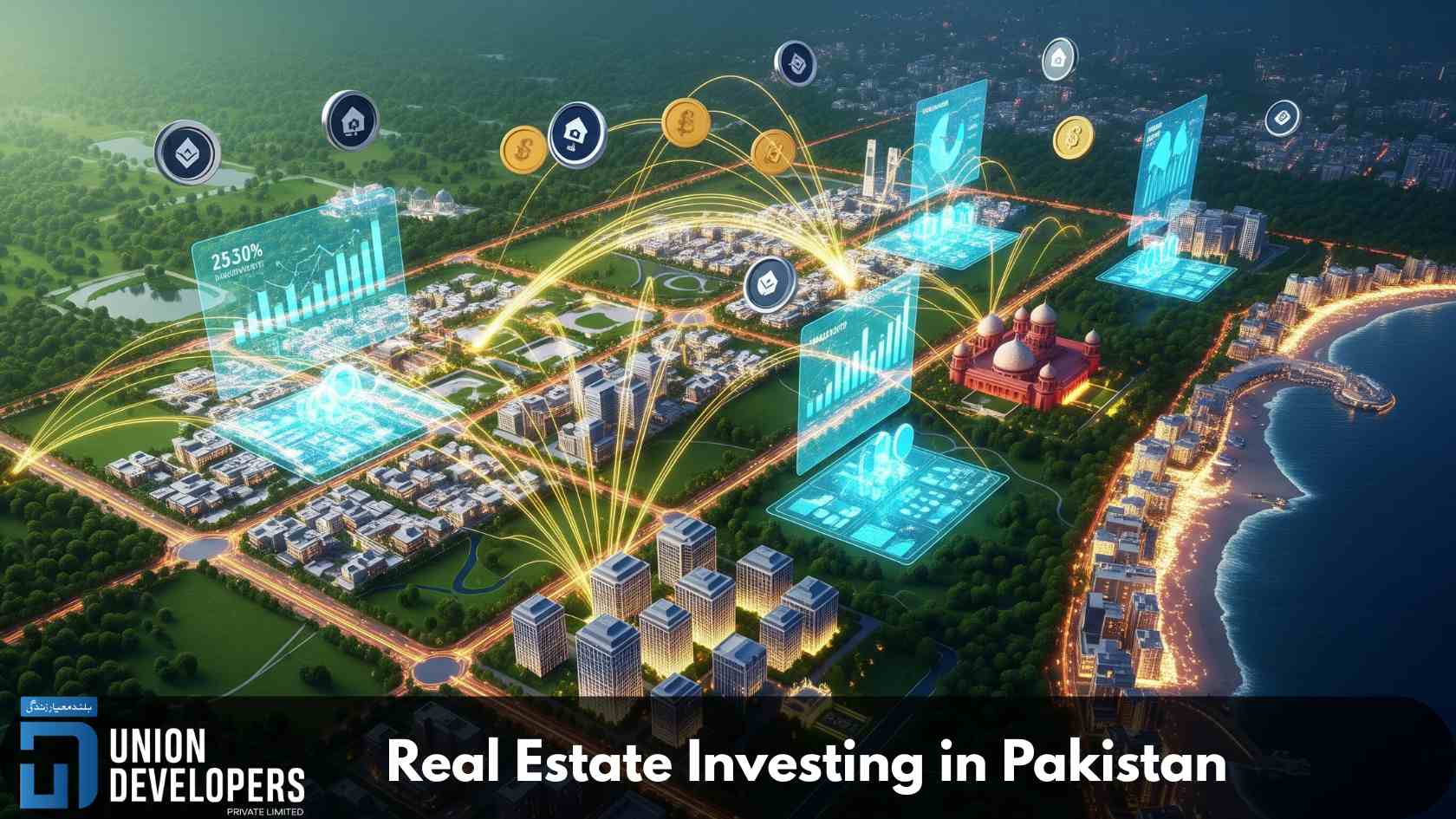
Despite economic headlines and market noise, Pakistan’s real estate sector remains structurally strong, not because of speculation, but because of fundamentals that are difficult to ignore.
Population Pressure Is Relentless
Urban cities like Lahore, Islamabad, and Karachi continue to absorb population at scale. Housing demand is not optional here. It is unavoidable.
Land Is Finite, Demand Is Not
Well-planned, approved developments are limited. As the investigation of regulatory increases, compliant projects gain value while informal ones quietly lose relevance.
Tangible Assets Build Long-Term Confidence
In volatile economies, physical assets hold psychological and financial weight. Investors still trust land and property more than abstract instruments.
This is why experienced developers continue to expand, even when the market feels cautious. They understand that property cycles reward those who think in decades, not quarters.
Real Estate Investing Tips That Actually Hold Up

Advice is cheap, but useful advice is not. Below are real estate investing tips shaped by how professional developers evaluate projects before committing their own capital.
Tip 1: Follow Infrastructure, Not Rumours
If a project’s value story begins and ends with “it will develop soon,” pause. Development is visible long before marketing claims appear.
Then, look for:
- Road networks already under construction
- Sewerage, power, and drainage work on the ground
- Proximity to existing commercial zones
- Clear timelines, not vague promises
Infrastructure leaves footprints. Trust those footprints.
Tip 2: Approval Status Is Not a Detail, It Is the Foundation
In Pakistan, approval is not paperwork. It is protection.
Therefore, always verify:
- Relevant development authority approvals
- NOCs that match the exact project phase
- Legal ownership of land, not just maps
Experienced investors do not ask, “Is it approved?”
They ask, “Approved by whom, for what, and for which phase?”
That difference saves years.
Tip 3: Think in Phases, Not in Plots
Single-transaction thinking is the fastest way to divert your portfolio.
Strong real estate investing in Pakistan involves:
- Entering the early phases of credible developments
- Holding through visible progress milestones
- Exiting when utility and livability converge
Developments progress in layers. The major value is often created between foundation work and possession, not at launch or completion.
Tip 4: Location Is Not a Pin, It Is a Network
A location is more than coordinates. It is access.
Evaluate:
- Distance from employment hubs
- Connectivity to ring roads, expressways, and motorways
- Surrounding land use plans
A project surrounded by agricultural land today, but aligned with future urban planning, can outperform an overpriced “unmatched” location tomorrow.
Smart investors read master plans, not slogans.
Tip 5: Rental Yield Deserves More Respect
Many investors in Pakistan ignore rental potential and chase only capital gains. That is short-sighted.
Rental yield:
- Cushions market fluctuations
- Signals real end-user demand
- Reflects livability, not speculation
Projects designed with schools, commercial zones, and amenities tend to stabilise faster. Stability compounds quietly, but powerfully.
Changing Trends Shaping Real Estate Investing in Pakistan
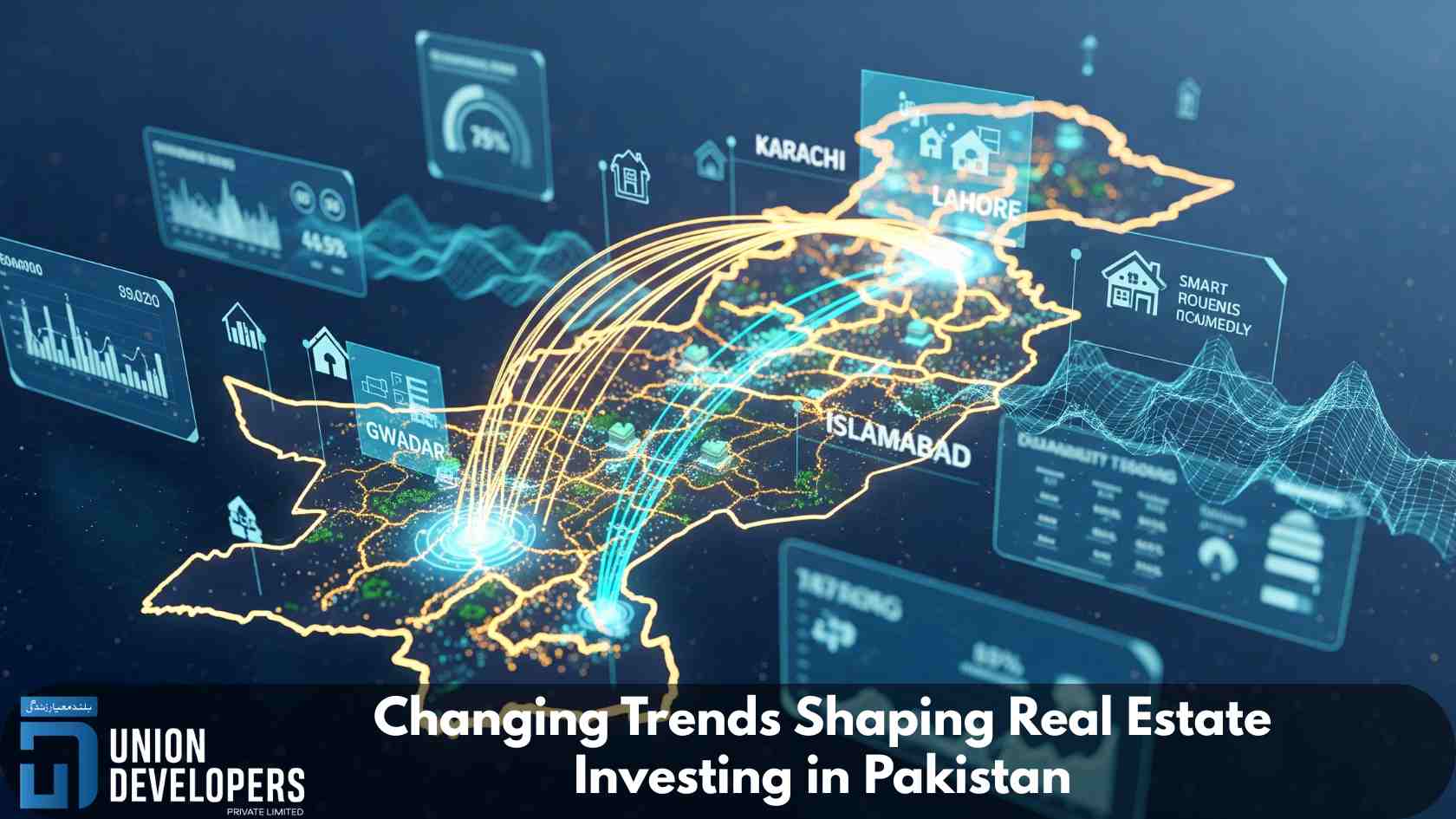
Shift Towards Gated and Master-Planned Communities
Security, utilities, and community planning are no longer premium features. They are baseline expectations.
Rise of Mid-Income Housing Demand
Luxury headlines get attention, but mid-income residential demand drives volume and consistency.
Increased Focus on Delivery Timelines
Buyers are less patient. Delayed projects lose trust faster than ever. Developers with delivery records stand out.
Preference for Mixed-Use Developments
Live, work, and retail integration is no longer aspirational; it is practical. Time is the new luxury.
These trends are not predictions. They are already visible on the ground.
How Professional Developers Assess Risk
Developers do not invest emotionally. They invest methodically. Before launching or backing a project, seasoned developers assess:
- Absorption rate potential
- Phased cash flow sustainability
- Regulatory exposure
- Long-term maintenance viability
Investors should borrow this mindset. Ask the questions developers ask, not the ones marketers answer.
Common Mistakes That Cost Investors Years
Even experienced investors stumble when discipline slips.
Chasing Low Entry Prices Alone
Cheap land without a development vision is not a bargain. It is a liability.
Ignoring Exit Strategy
If you do not know who will buy from you later, rethink your entry.
Overestimating Short-Term Gains
Real estate rewards patience. Impatience converts opportunity into regret. The market does not punish risk. It punishes careless risk.
A Developer’s Perspective on Smart Investing

From a developer’s lens, the most successful investors share three traits.
They:
- Ask uncomfortable questions
- Wait when others rush
- Commit when clarity appears
Real estate investing is not about being early everywhere. It is about being right where it matters.
In Pakistan, that often means aligning with developers who build reputations before they build projects. Delivery history is not marketing content. It is an investment signal.
Also Read: Top Housing Societies in Lahore for Investment in 2025
Final Thought
Real estate investing does not reward impatience or noise. It rewards foresight, structure, and people who understand what they are building and why.
When land is developed with intent, discipline, and respect for the communities, it will hold value. In a market shaped by uncertainty, that kind of steady progress is often the most powerful return of all.