


There is something about a corner apartment that makes people pause. Buyers linger a little longer. Investors ask sharper questions. Estate agents tend to lower their voices, as if discussing something of great rarity.
Corner apartments have long been considered premium real estate, offering more light, air, and privacy. On paper, corner apartments are a noticeable upgrade. In practice, they only make sense when the numbers and the design line up.
Otherwise, they are just more expensive units with higher expectations, in developments like Union Luxury Apartments, corner units are planned intentionally, not left over from the layout.
They are designed with purpose. That distinction matters more than most investors realise.
What Is a Corner Apartment?
A Simple Definition
A corner apartment is a residential unit positioned at the corner of a building floor, typically not surrounded by neighbours. Most corner apartments have two external sides rather than one.
How Corner Apartments Differ from Interior Units
| Feature | Corner Apartment | Interior Apartment |
| External walls | Two or more | Usually one |
| Natural light | Higher | Moderate |
| Ventilation | Cross-ventilation possible | Limited airflow |
| Privacy | Higher | Lower |
Where They Sit in Modern Developments
In high-rise and luxury residential developments, corner units are often:
- Located at the ends of corridors
- Designed with wraparound balconies or extended glazing
- Positioned to maximise views and airflow
In premium developments, these units are deliberately planned. In poorly designed projects, they are simply leftover geometry.
The Major Advantages of Investing in a Corner Apartment
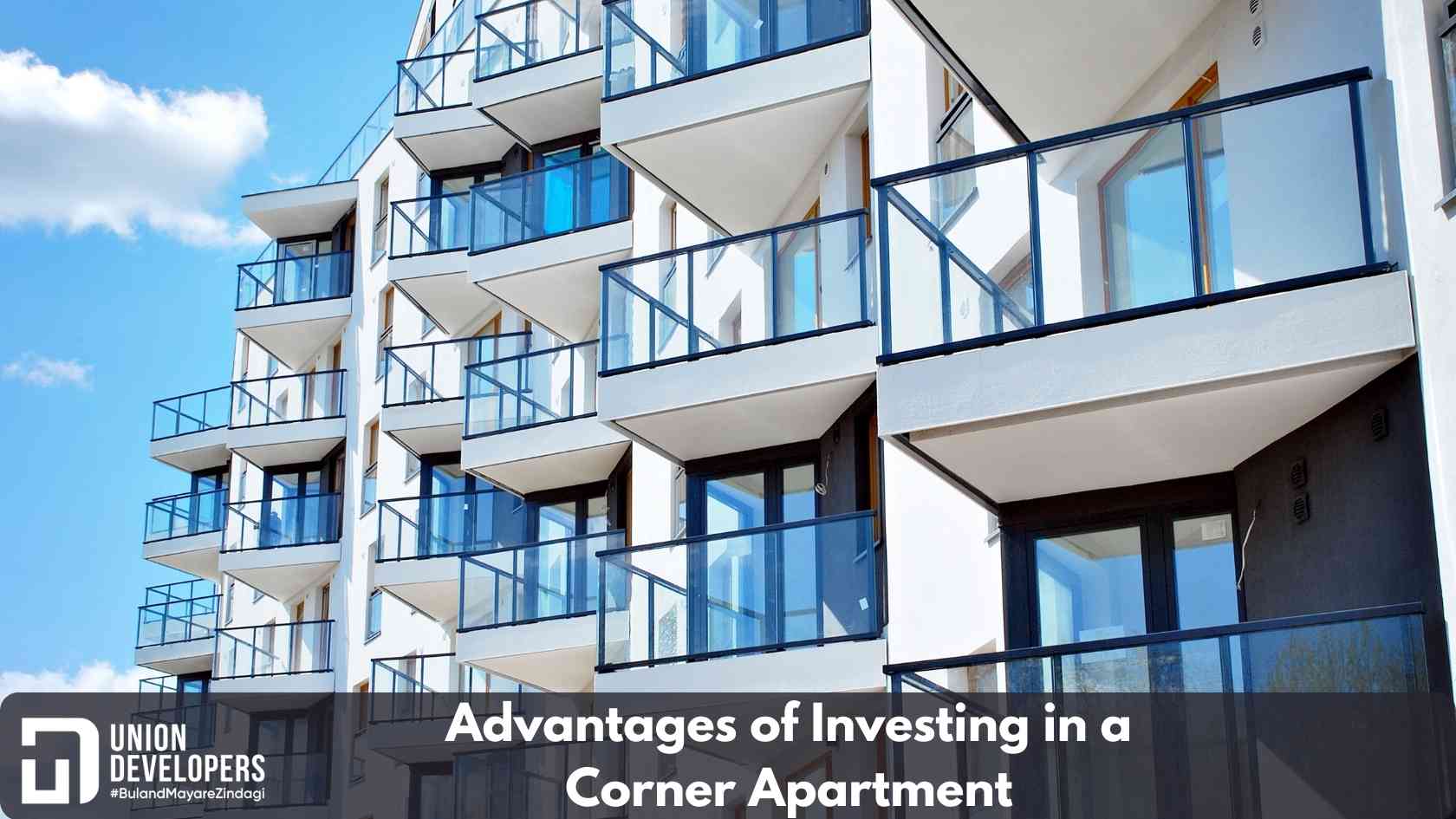
1. Enhanced Natural Light & Ventilation
Corner apartments open out in multiple directions, shaping how a home feels, rather than just how it looks.
- Light comes in from different directions
- Air moves through the apartment naturally
- Less need to keep the lights on during the day
Over time, this translates into:
- Lower energy consumption
- Better indoor comfort
- Higher satisfaction for end-users
For tenants and buyers alike, light and airflow are not luxuries; they are non-negotiables.
2. Increased Privacy
Privacy is one of the most underrated drivers of investment in residential developments.
Corner apartments offer:
- Fewer shared walls
- Reduced noise transfer
- Less foot traffic outside the entrance
For families and professionals, privacy adds real value, strengthening both rental stability and resale demand.
3. Better Views & Open Sightlines
Views sell. Even when buyers claim they do not matter, their decisions suggest otherwise.
Corner units typically offer:
- Wider viewing angles
- Less obstruction from adjacent buildings
- A stronger visual connection with the outdoors
In luxury developments like Union Luxury Apartments, this visual openness enhances the overall lifestyle narrative. The apartment feels expansive, even though the square footage is identical to that of interior units.
4. Stronger Resale & Rental Demand
Shortage is a powerful market force. Corner apartments are limited by design. Fewer units per floor means fewer opportunities to own one.
This creates:
- Higher demand in resale markets
- Preference among families and executive tenants
- Faster absorption in premium projects
For investors, a shortage often protects value during market slowdowns.
The Key Downsides Investors Must Consider
1. Higher Purchase Price
Corner apartments rarely come cheap.
| Cost Factor | Impact |
| Base price | Higher than standard units |
| Premium charges | Applied for the location and view |
| Initial ROI | Compressed if rental yield is the only goal |
If the investment strategy is short-term flipping, this premium can become a liability rather than an advantage.
2. Potentially Higher Maintenance Costs
More external walls mean greater exposure. In older or poorly constructed buildings, this can lead to:
- Higher wear and tear
- Increased waterproofing requirements
- Long-term facade maintenance
Well-executed developments reduce these risks by using high-quality materials and adhering to construction standards. Poor execution amplifies them.
3. Temperature Sensitivity
Corner apartments respond more dramatically to environmental conditions.
Depending on orientation, investors may face:
- Increased heat gain in summer
- Heat loss during colder months
This places greater importance on:
- Insulation quality
- Window glazing
- Building orientation and design
Without these elements, operational comfort can suffer.
4. Limited Availability
Choice is limited. Corner units offer:
- Fewer layout options
- Reduced flexibility in size selection
- Limited negotiation leverage
For buyers focused on layout or budget, this limitation can feel restrictive.
Corner Apartments as an Investment: Who Should Consider Them?
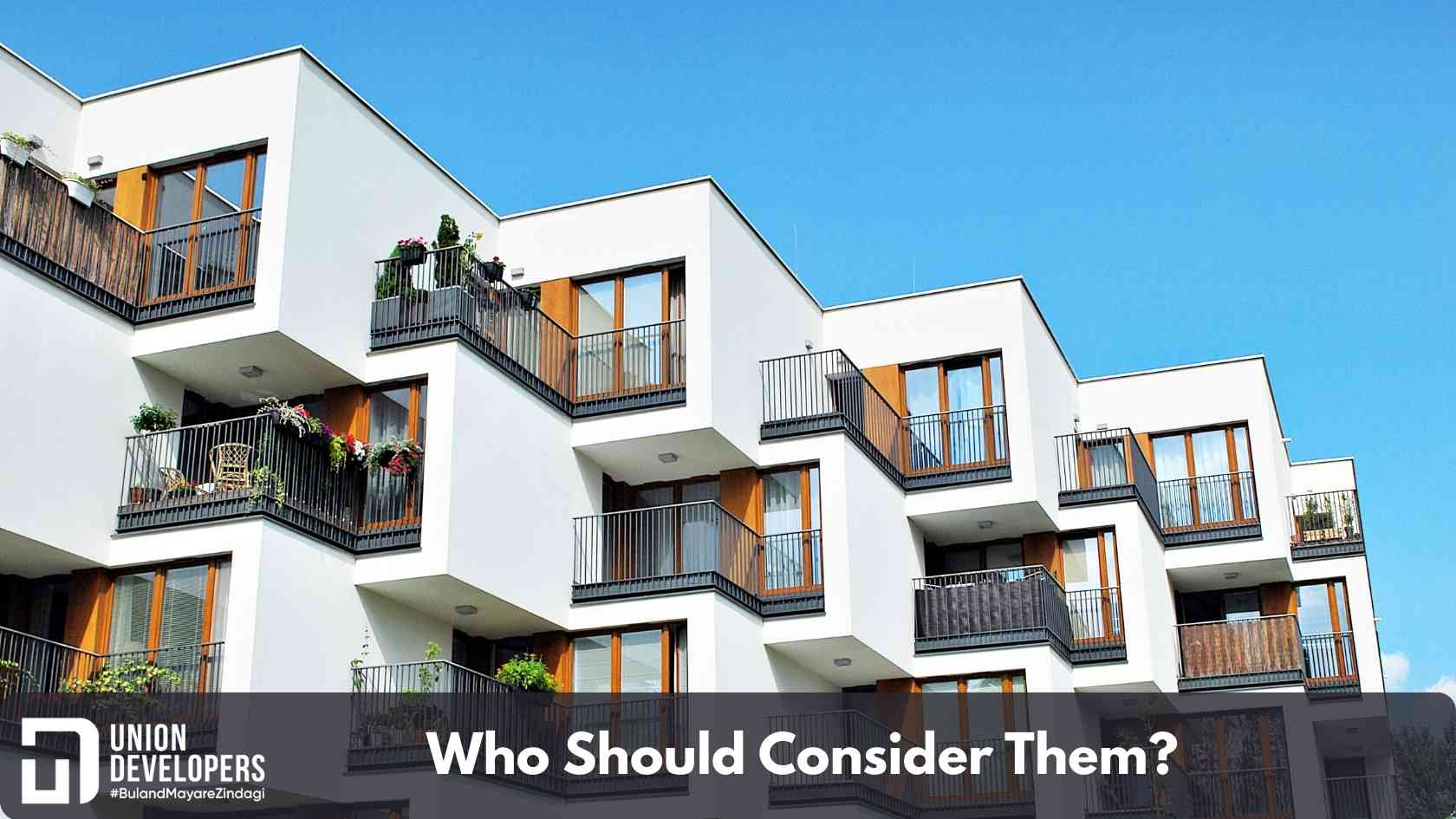
Not every investor should chase a corner unit.
Best Suited For:
- Long-term investors focused on capital appreciation
- End-users prioritising lifestyle and privacy
- Buyers targeting high-end rental markets
Less Suitable For:
- Short-term flippers
- Yield-focused investors seeking quick returns
Premium developments such as Union Luxury Apartments mitigate many traditional corner-unit risks through planning, orientation, and construction quality. This planning shifts the equation from emotional purchase to calculated premium.
Factors to Evaluate Before Investing in a Corner Apartment
Before committing, investors should assess the following:
| Evaluation Factor | Why It Matters |
|---|---|
| Orientation | Affects heat, light, and comfort |
| Floor Level | Influences views and noise |
| Construction Quality | Determines long-term maintenance |
| Insulation Standards | Impacts energy efficiency |
| Developer Credibility | Reduces execution risk |
Corner apartments amplify both good and bad decisions. Due diligence is not optional.
Are Corner Apartments Worth the Investment?
Corner apartments are neither guaranteed winners nor overpriced luxuries. They sit somewhere in between. Their value depends on:
- Location
- Design execution
- Target market
- Investor intent
In thoughtfully designed projects like Union Luxury Apartments, corner units represent a deliberate premium backed by planning and demand. In the long run, they can become costly compromises. The difference is subtle, but financially significant.