


Buying a home is one of the biggest financial commitments most people make. For some, it is about stability. For others, it is a long-term investment decision. Either way, understanding how to buy a house properly can help buyers avoid costly mistakes and make more confident choices later on.
The property market today is not only about finding a good-looking location or an attractive payment plan. Buyers now pay closer attention to legal approvals, infrastructure, development quality, future value, and the developer`s reputation behind the project.
Good property decisions rarely come from urgency. Most of the time, they come from careful evaluation and practical thinking.
This guide shares 10 practical tips to help buyers navigate Pakistan’s evolving real estate market more wisely.
Why Understanding How to Buy a House Matters

Many people enter the property market emotionally. That usually becomes the starting point for poor decisions. Buyers often face problems later because proper research was ignored early on.
Delayed development, legal complications, weak resale value, and poor construction standards are common examples. Learning how to buy a house properly helps buyers:
- Make financially secure decisions
- Avoid unreliable or fraudulent projects
- Choose stronger locations
- Protect long-term investments
- Improve resale opportunities
- Build stable living environments for their families
A house is not simply another purchase. In most cases, it becomes a long-term financial and lifestyle asset that people stay connected to for years.
1. Define Your Buying Purpose Clearly
Before exploring projects or comparing prices, buyers should first understand why they are buying.
That sounds obvious, but many people skip this step.
| Buyer Type | Primary Priorities |
| Homeowners | • Security
• Community environment • Accessibility • Schools and healthcare • Lifestyle facilities |
| Investors | • Capital appreciation
• Rental potential • Future commercial activity • Market demand |
| Overseas Pakistanis | • Trusted developers
• Legal transparency • Secure payment structures • Professionally managed communities |
Buying without a clear objective often leads to confused decision-making. Eventually, unnecessary financial pressure follows.
2. Research the Location Thoroughly
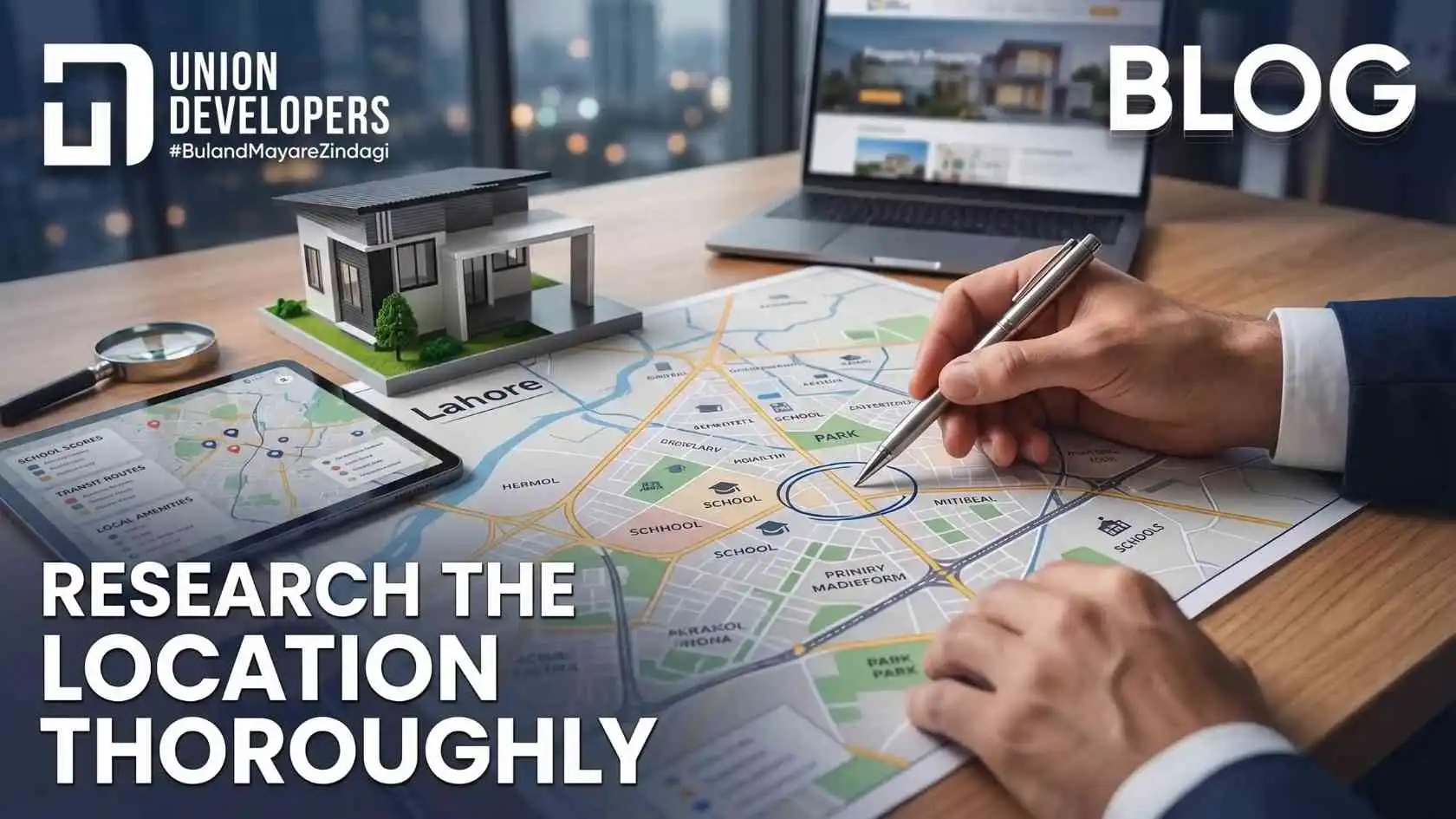
Location remains one of the strongest factors affecting property value. Even a well-developed project can struggle if the surrounding area lacks accessibility, infrastructure, or future growth potential.
What Makes a Good Location?
A strong location generally offers:
- Major road connectivity
- Nearby commercial areas
- Educational institutions
- Healthcare facilities
- Public infrastructure
- Security and organised planning
Why Infrastructure Matters
Infrastructure usually gives early signals about where an area is heading. Expanding roads, commercial development, and improving accessibility often influence appreciation over time.
Buyers should also study future development plans carefully. Upcoming transport routes, commercial zones, and urban expansion projects can increase property value significantly in the coming years.
Sometimes, the future potential matters more than the current condition.
3. Choose a Trusted Developer
The developer`s credibility plays a major role in the long-term value of any property. Experienced developers generally maintain better planning standards, infrastructure quality, and more reliable development timelines. Buyers notice that consistency over time. So does the market.
A trusted developer is usually recognised for:
- Timely delivery
- Transparent communication
- Quality infrastructure
- Strong market reputation
- Consistent project execution
Why Developer Reputation Matters
Established developers often provide:
- Better urban planning
- Reliable development timelines
- Stronger resale value
- Better investor confidence
Projects backed by trusted companies tend to perform more consistently in the long run because buyers feel more secure investing in them.
4. Verify Legal Documentation Before Investing
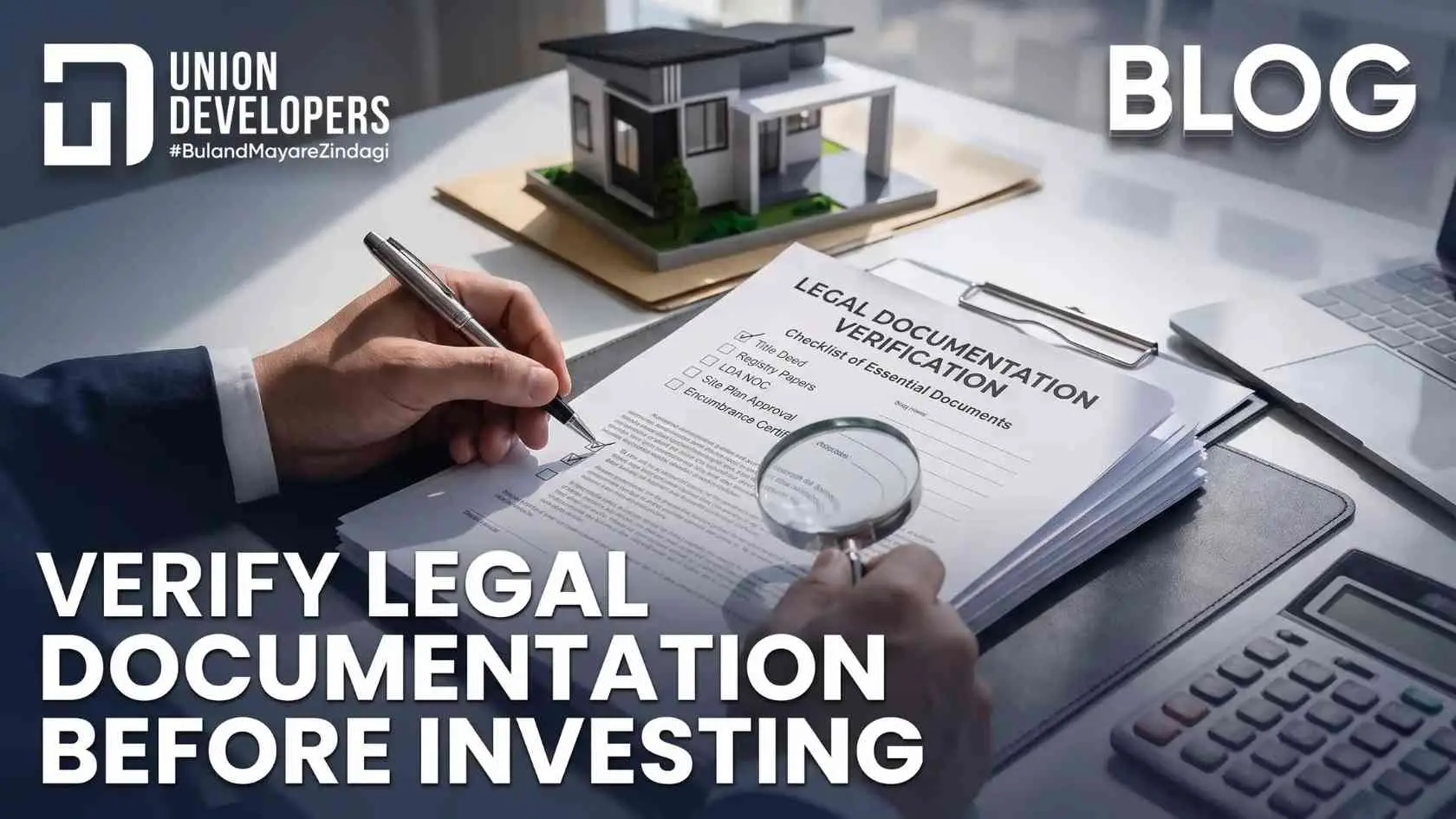
One of the biggest mistakes buyers make is ignoring legal verification because the project looks attractive or professionally marketed.
No matter how convincing the marketing appears, documentation should always be reviewed properly before making any commitment.
Documents You Should Verify
| Verification Area | What Buyers Should Check |
| Ownership Records | Confirm that land ownership is legally clear and properly registered. |
| NOC Approvals | Verify approvals from relevant development authorities. |
| Developer Credentials | Research the developer’s previous projects and market reputation. |
| Payment & Transfer Process | Ensure instalment structures and transfer procedures are transparent. |
5. Set a Realistic Budget
Many buyers focus only on the actual property price and overlook the additional costs attached to ownership. That is where budgeting problems usually begin. A realistic understanding of buying a house includes complete financial planning from the start.
Costs Buyers Often Ignore
Additional costs may include:
- Registration fees
- Taxes
- Utility charges
- Development fees
- Construction expenses
- Maintenance costs
Avoid Financial Overstretching
A house should provide stability, not financial pressure that becomes difficult to manage later. Experienced buyers usually prioritise affordability and sustainability rather than stretching beyond their actual financial comfort because of market or sales pressure.
6. Evaluate On-Ground Development Progress
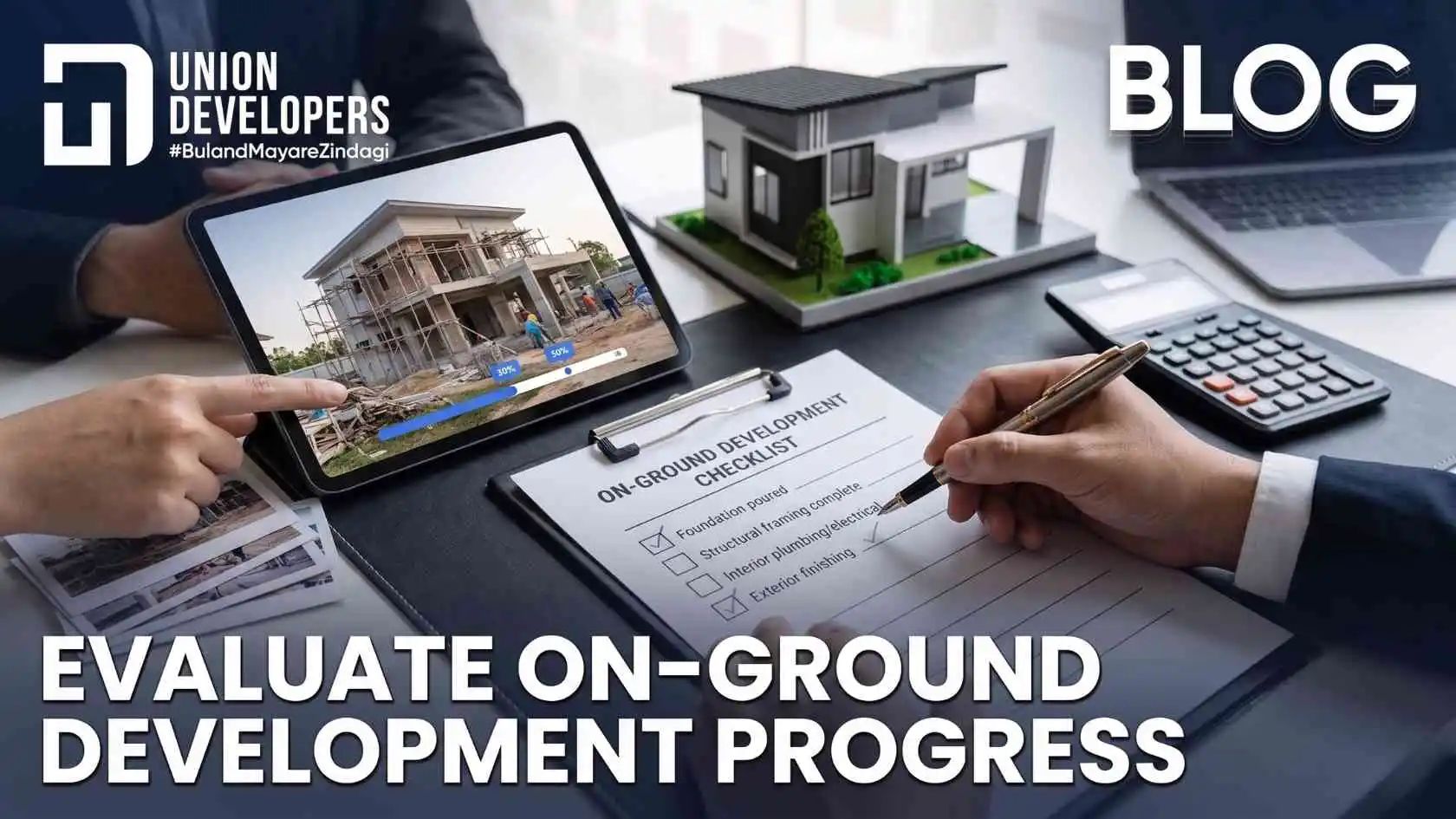
Visible development remains one of the strongest indicators of project reliability.
Marketing materials can promise many things. Actual site conditions usually reveal far more.
One practical approach when buying a house is to prioritise projects where development progress is clearly visible on the ground.
| On-Site Inspection Area | What Buyers Should Evaluate |
| Road Infrastructure | Check whether roads are properly developed and accessible. |
| Utility Systems | Assess sewerage, electricity, and water infrastructure. |
| Public Spaces | Look for parks, green areas, and recreational planning. |
| Security Systems | Evaluate gated access and security management. |
7. Focus on Community & Lifestyle
Modern buyers are not only purchasing a property anymore. In many cases, they are investing in the overall environment surrounding it.
That difference matters more today than it did years ago.
Important Lifestyle Factors
A well-planned community should ideally provide:
- Family-friendly surroundings
- Green spaces
- Educational access
- Commercial convenience
- Security systems
- Recreational facilities
Communities designed with organised urban planning usually maintain stronger long-term demand because they support practical day-to-day living standards.
8. Analyse Long-Term Investment Potential
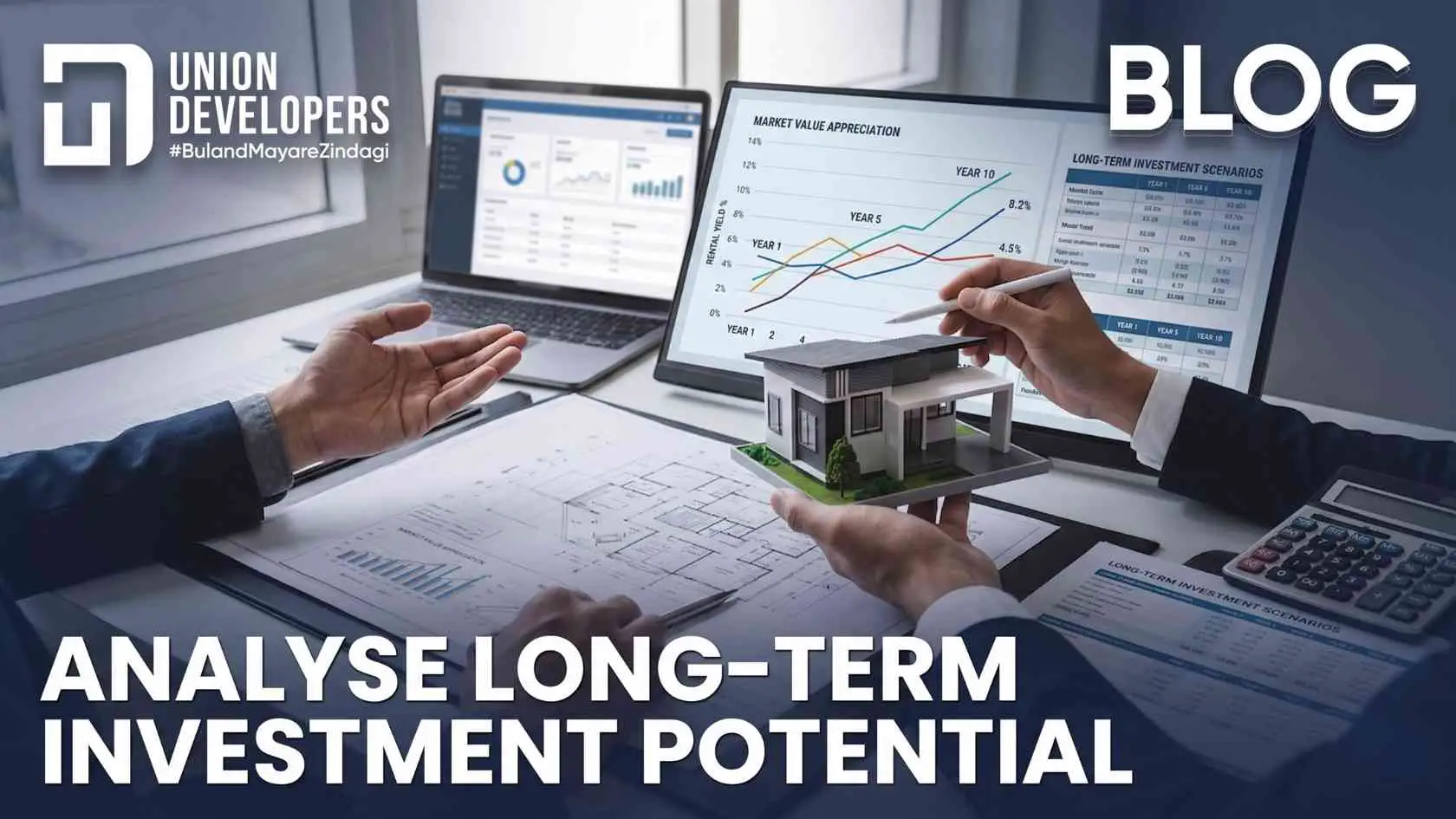
A good property decision should continue creating value years after the purchase.
Key Investment Indicators
| Investment Indicator | Why It Matters |
| Infrastructure Expansion | Growing road networks often improve surrounding property values. |
| Commercial Activity | Commercial development usually strengthens long-term demand. |
| Population Growth | Expanding residential demand often supports appreciation. |
| Urban Expansion | Properties near developing urban corridors generally perform better over time. |
9. Inspect Construction Quality Carefully
If you are purchasing a constructed property, never rely entirely on appearance. Fresh paint and polished finishing can sometimes hide deeper workmanship issues underneath. It happens more often than buyers expect.
A proper understanding of how to buy a house includes checking the construction quality carefully.
Areas You Should Check
| Inspection Area | What to Evaluate |
| Structural Quality | Inspect walls, ceilings, and foundational finishing carefully. |
| Electrical Systems | Ensure wiring and electrical fittings are properly installed. |
| Plumbing | Check drainage, water pressure, and pipe quality. |
| Ventilation & Lighting | Natural airflow and lighting improve long-term living comfort. |
Poor construction quality often creates expensive maintenance problems later. Sometimes surprisingly early.
10. Avoid Emotional Buying Decisions
Property decisions should be guided by practical thinking, research, and patience. Not pressure. One of the most overlooked parts of buying a house is emotional discipline during the decision-making process.
Common Mistakes Buyers Make
Many people make rushed decisions because of:
- Market hype
- Limited-time offers
- Fear of missing opportunities
- Social pressure
Take Time to Evaluate Properly
Before finalising any property:
- Compare multiple options
- Visit locations personally
- Verify documentation carefully
- Study market trends
- Assess future development potential
Experienced buyers usually focus on long-term practicality rather than temporary excitement.
Final Thoughts
Understanding how to buy a house involves more than financial readiness. It requires careful research, legal due diligence, market awareness, and long-term planning.
For homeowners, investors, and overseas Pakistanis, the right property can offer financial security, investment growth, lifestyle benefits, and future stability.
As the real estate market continues to evolve, buyers are increasingly prioritising trusted developers, quality infrastructure, transparent processes, and well-planned communities.
Developers such as Union Developers are helping meet these expectations through developments designed to deliver both lifestyle value and long-term investment potential. Ultimately, a well-informed property decision today can create lasting value for years to come.